Submission Searcher
Recommended
THE HALF GUARD ANTHOLOGY
From LACHLAN GILES
- Both
- Mixed
- Systems

[category_total_hours]
Progress in Positional Grappling: 0%
Sign up free to track your progress!
Video Techniques
Triangle Choke from Spider Guard Technique Videos
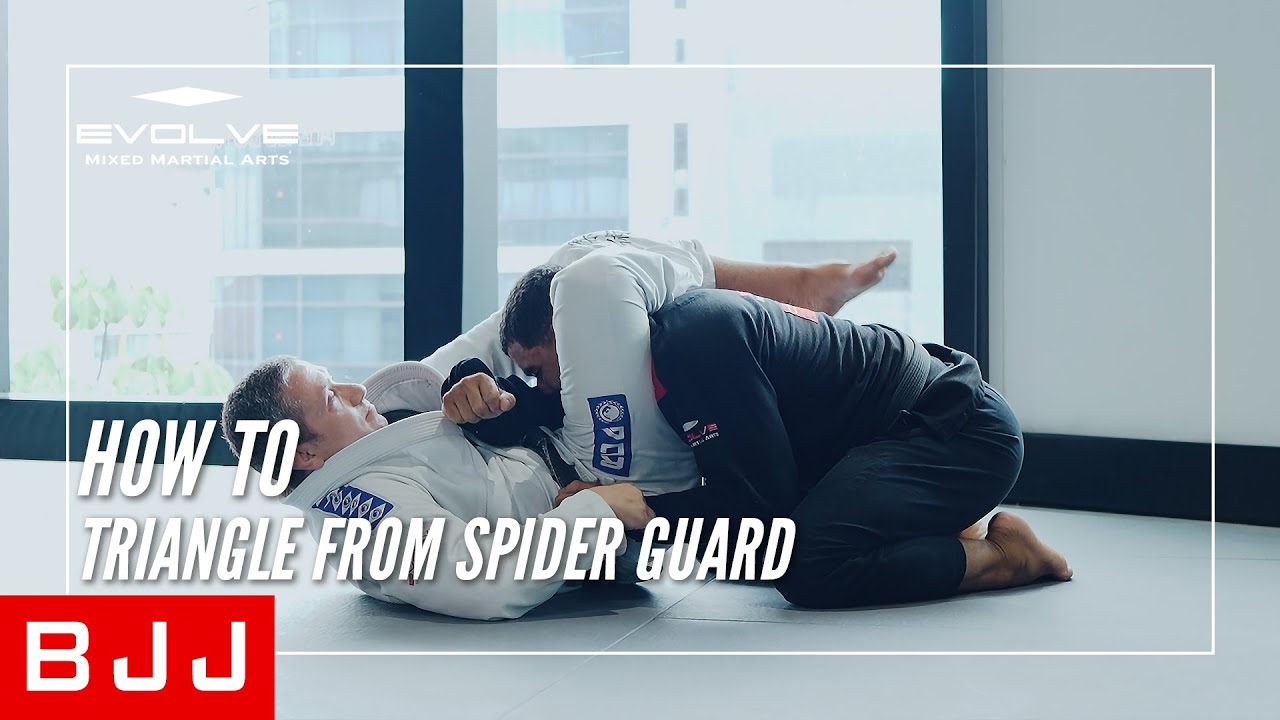
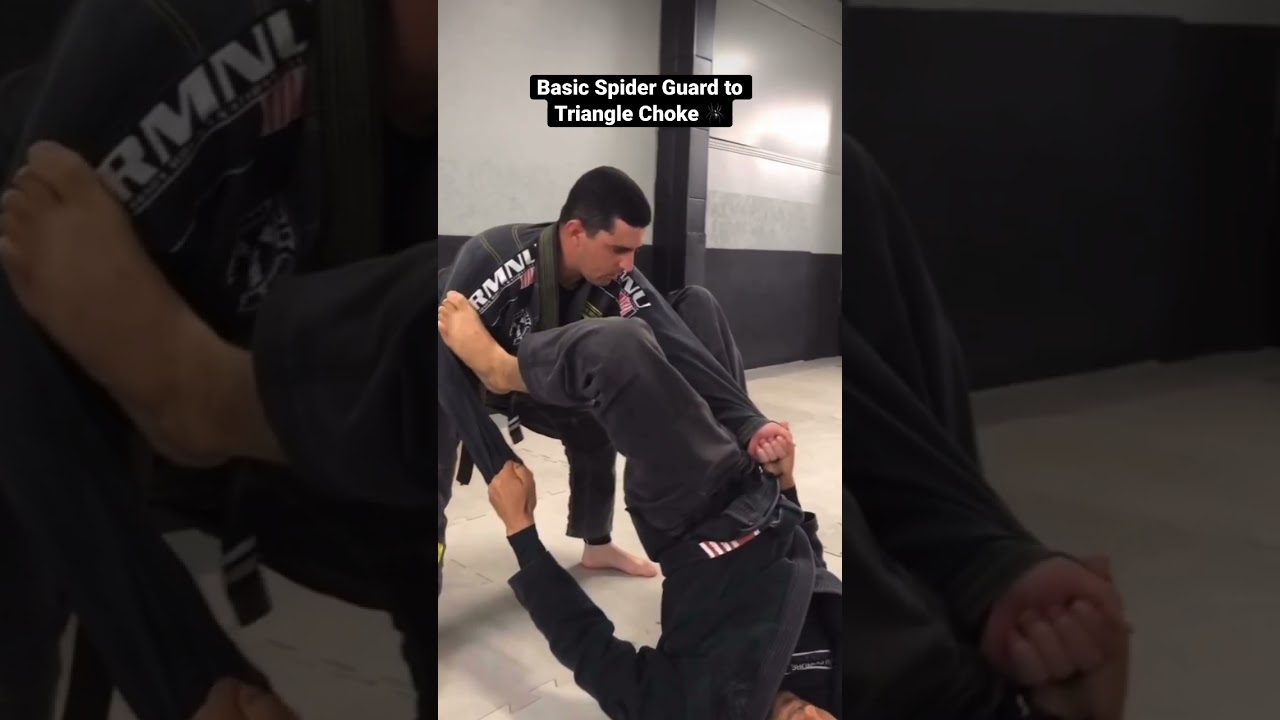
Welcome to our comprehensive collection of triangle choke from spider guard technique videos. In Brazilian Jiu-Jitsu (BJJ), the triangle choke is a highly effective submission technique that involves using the legs to create a triangular grip around the opponent’s neck and shoulder. When executed from the spider guard position, this submission becomes even more powerful and difficult to escape. Whether you are a beginner looking to learn the basics or an advanced practitioner seeking to fine-tune your skills, our carefully curated selection of technique videos will provide you with the knowledge and insights necessary to master the triangle choke from spider guard. With detailed demonstrations, step-by-step instructions, and expert analysis, these videos are designed to help you understand the mechanics, setups, and variations of this technique, ultimately improving your overall grappling game. So, whether you are a competitor, hobbyist, or simply passionate about BJJ, explore our collection and enhance your understanding and execution of the triangle choke from spider guard.
Curated instructionals for this category
Some links may be affiliate links. We may earn a commission if you purchase through them, at no extra cost to you.
Compare curated courses for this category
From LACHLAN GILES AND ARIEL TABAK
Learn a complete retention framework covering around-and-under, through-the-legs, close-range situations, and getting back on offence.
From BERNARDO FARIA
Build a broad base across core positions, escapes, sweeps, and simple attacks without needing a narrow game plan first.
From JOHN DANAHER
Learn a systematic survival and escape framework from common pins and bad positions so you can stay alive long enough…
Some links may be affiliate links. We may earn a commission if you purchase through them, at no extra cost to you.
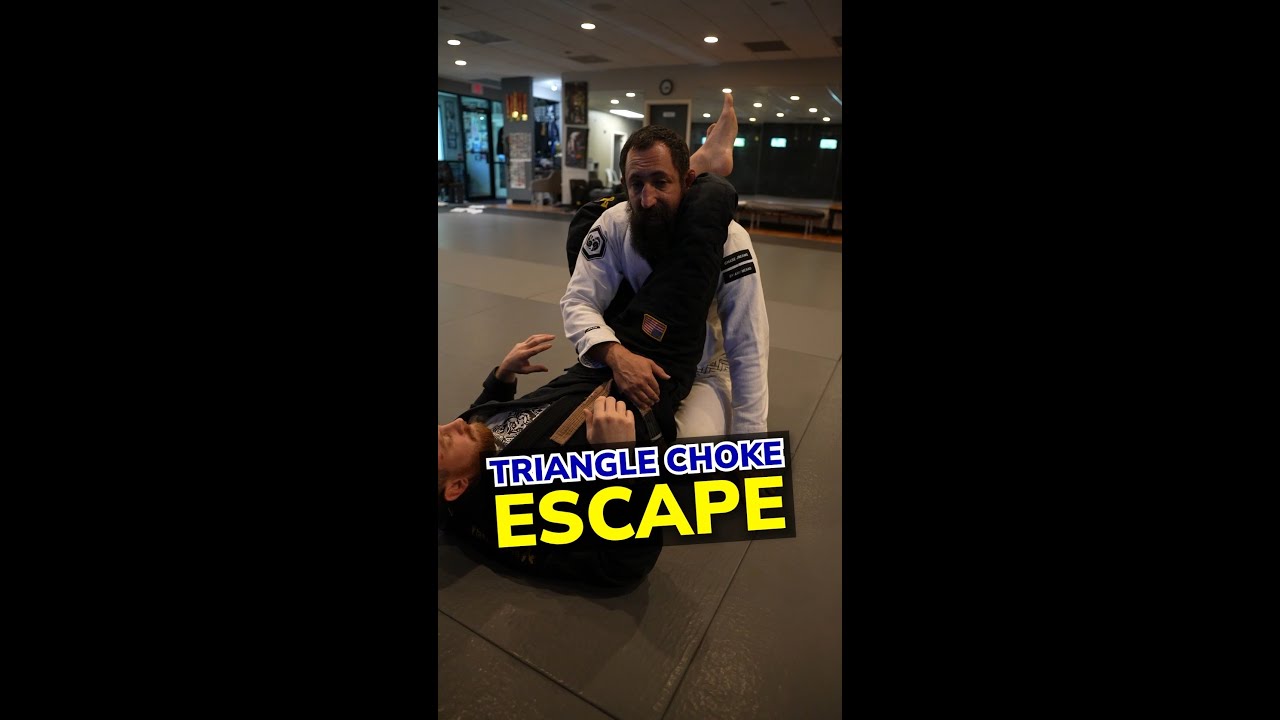
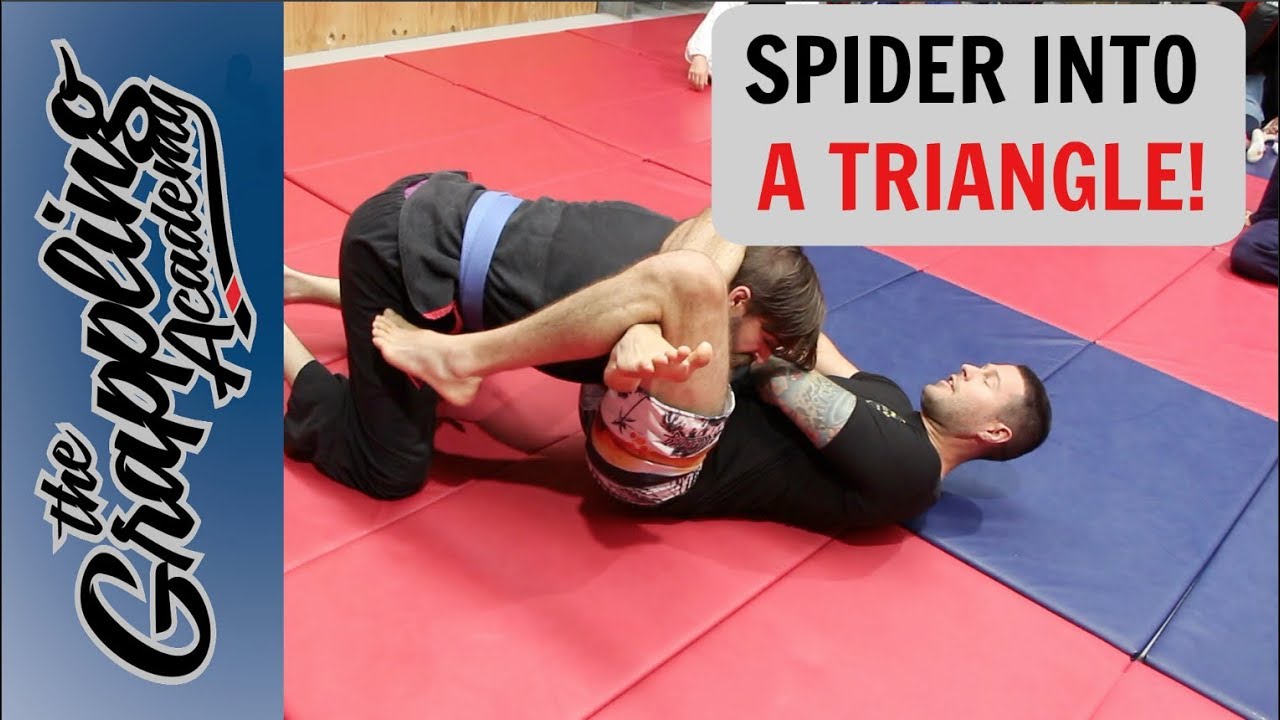
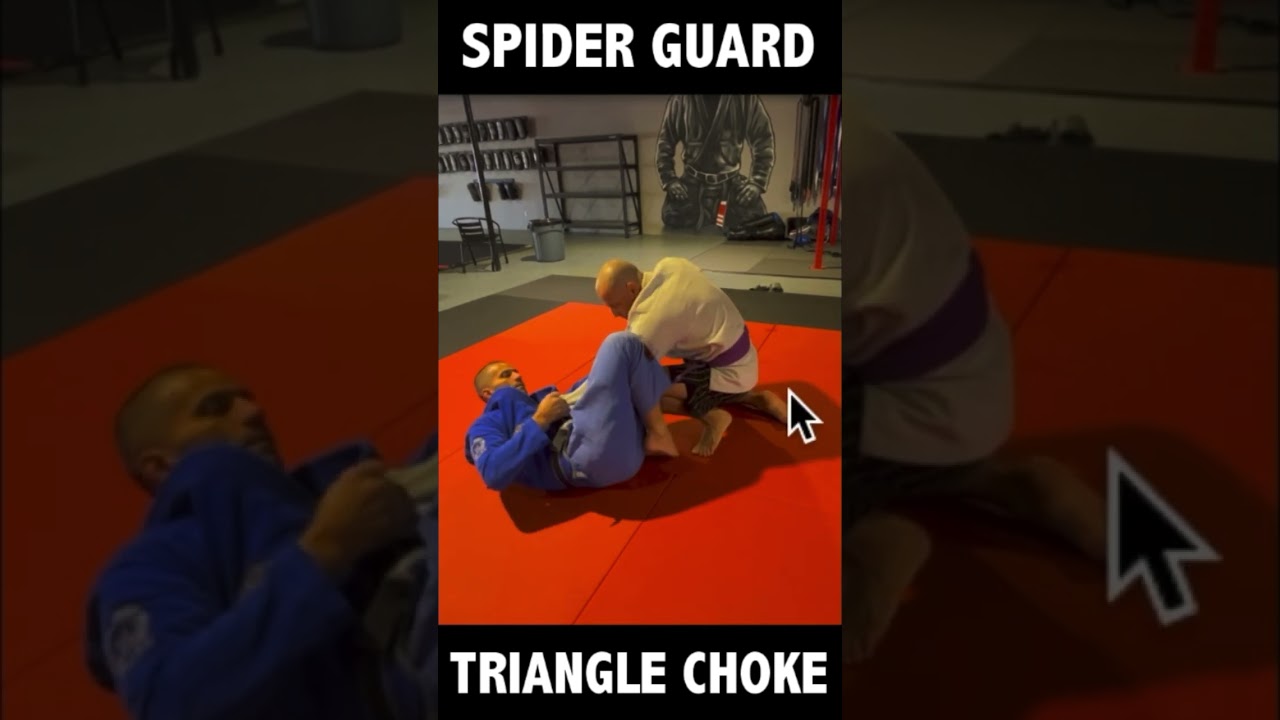
In the world of Brazilian Jiu-Jitsu, the Triangle Choke from Spider Guard is a highly effective submission technique that can catch even the most skilled opponents off guard. This advanced move involves trapping the opponent's arm and leg in a spider guard position while using your legs to create a triangle around their neck, cutting off their blood flow and forcing them to submit. To fully grasp the intricacies and nuances of this technique, it is essential to watch instructional videos from experienced practitioners. These videos provide detailed step-by-step instructions, allowing practitioners to understand the proper positioning, grips, and transitions required to execute the Triangle Choke from Spider Guard successfully. By studying these videos, BJJ enthusiasts can gain valuable insights into the technique's mechanics and develop a deeper understanding of its application in real-life grappling scenarios.
One highly recommended video for learning the Triangle Choke from Spider Guard is by a renowned BJJ black belt, who breaks down the move into easily digestible segments. Beginning with the initial setup from the spider guard, he emphasizes the importance of establishing a strong grip on the opponent's sleeves to maintain control throughout the technique. He then proceeds to explain the intricacies of shifting the hips and creating the necessary angle to set up the triangle choke. Clear and concise demonstrations are provided, allowing viewers to follow along and practice the technique themselves.
Another valuable video resource for mastering the Triangle Choke from Spider Guard is a comprehensive tutorial by a world-class competitor. This video delves into the details of various setups and entries into the spider guard position, providing a broader perspective on how to effectively apply this technique in different scenarios. The instructor emphasizes the significance of grip fighting and maintaining constant pressure on the opponent to prevent escapes or counterattacks. Additionally, he demonstrates alternative variations of the triangle choke, including the inverted triangle and the armbar transition, allowing practitioners to expand their arsenal of submissions from the spider guard.
By incorporating these instructional videos into their training regimen, BJJ practitioners can accelerate their learning and improve their execution of the Triangle Choke from Spider Guard. While written explanations and static images can be helpful, videos offer a dynamic and visual learning experience that closely replicates the live training environment. Whether you are a beginner seeking to understand the basics or an advanced practitioner looking to refine your technique, these video resources can provide invaluable guidance and help you master this powerful submission technique.
1. What is the triangle choke from spider guard technique?
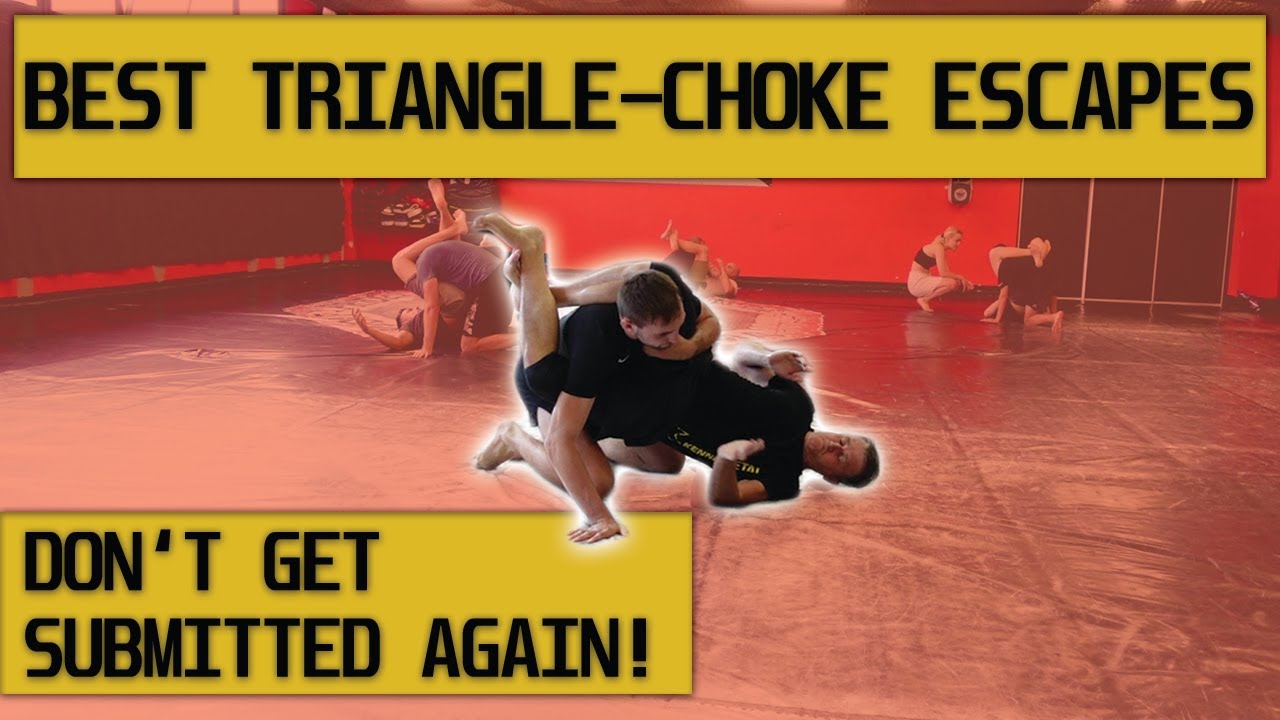
The triangle choke from spider guard is a Brazilian Jiu-Jitsu technique where the practitioner uses their legs to trap their opponent's head and arm in a triangle-like position, ultimately cutting off their blood supply and airways.
2. How do I execute the triangle choke from spider guard technique?
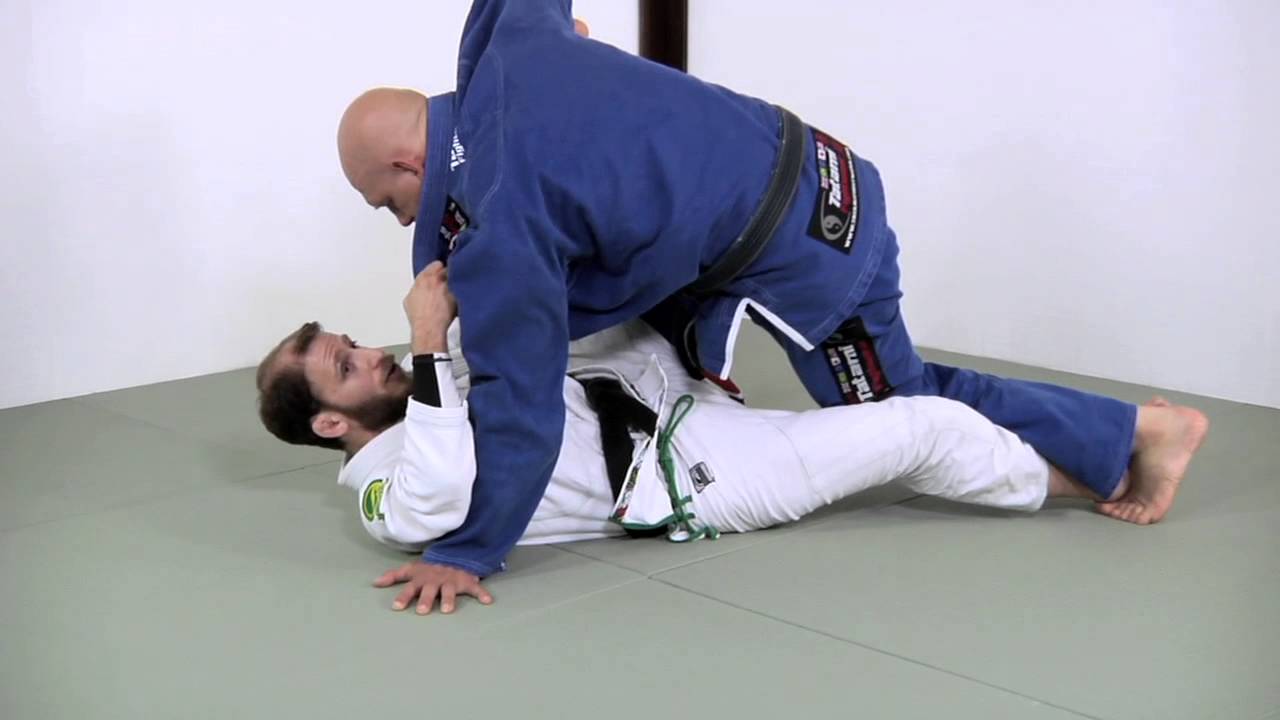
To execute the triangle choke from spider guard, start by establishing a strong spider guard position with your legs controlling your opponent's arms. From there, you need to break your opponent's posture and create an angle by pulling down on one of their arms. This allows you to bring your leg over their shoulder and lock in the triangle choke. Apply pressure with your legs and hips to tighten the choke and force your opponent to submit.
3. Are there any variations or setups for the triangle choke from spider guard technique?
Yes, there are various setups and variations for the triangle choke from spider guard technique. Some common setups include using a collar grip to control your opponent's posture, transitioning from other guards like the de la Riva guard, or using a combination of sweeps and submissions to create opportunities for the triangle choke. It is important to drill these setups and variations to become proficient in applying the technique in different situations.

A team of BJJ enthusiasts, curating videos for the benefits of others.