

Submission Searcher
Recommended
Want to Go Deeper?
Browse curated BJJ Fanatics instructionals matched to your training goals.

[category_total_hours]
Progress in Joint locks: 0%
Sign up free to track your progress!
Video Techniques
Joint locks are a fundamental part of Brazilian Jiu-Jitsu (BJJ), Judo, and mixed martial arts (MMA), focusing on manipulating an opponent’s joints to control or submit them. These techniques work by forcing a joint past its natural range of motion, creating leverage-based submissions that can lead to a tap-out or positional advantage. Some of the most effective joint lock techniques in BJJ and MMA include the armbar, which targets the elbow joint, the Kimura, a shoulder lock often used from side control and guard, and the Americana, another powerful shoulder lock. Other variations include wrist locks, leg locks, and neck cranks, each with unique setups and applications. Mastering joint locks requires precise control, proper positioning, and an understanding of defensive counters. This category offers in-depth breakdowns, video demonstrations, and expert insights into joint locking techniques for all levels of practitioners.

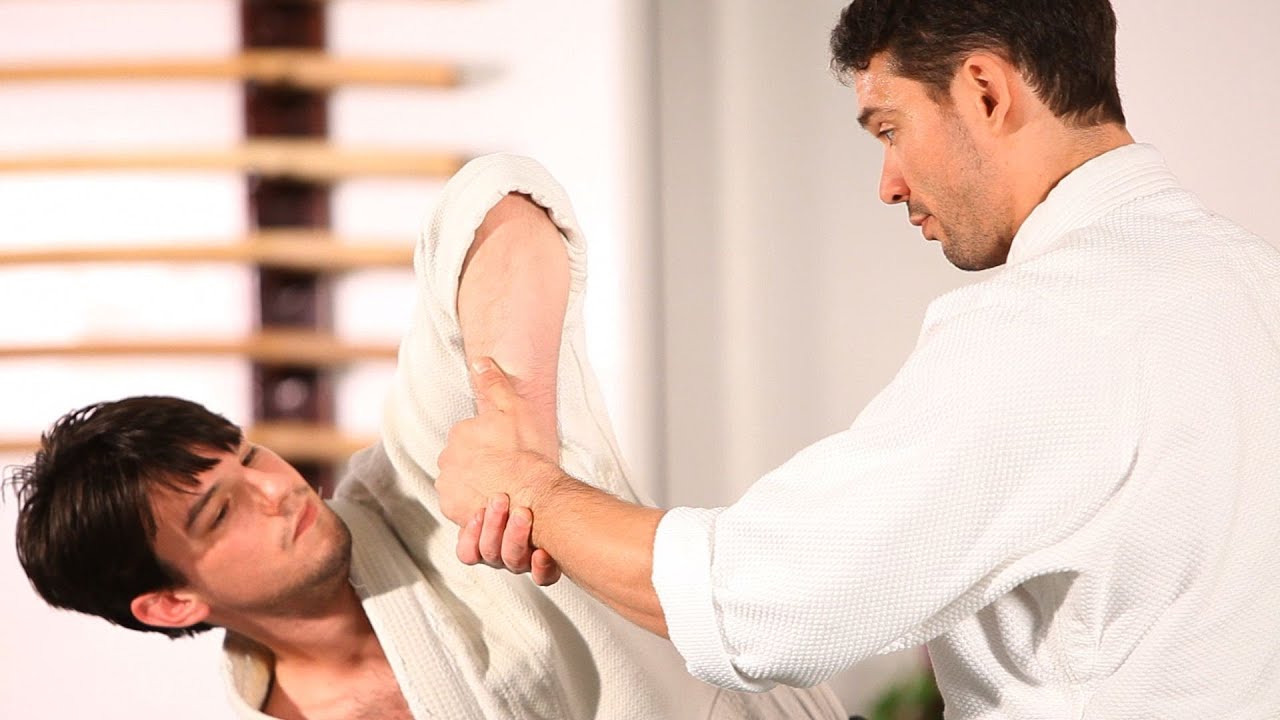
A joint lock is a submission technique used in grappling martial arts to manipulate an opponent’s joints by applying controlled force. These submissions primarily target the elbows, shoulders, wrists, knees, and ankles, limiting movement and creating a breaking point if the opponent does not submit. Joint locks are widely used in BJJ, Judo, Aikido, and MMA due to their effectiveness in controlling opponents and forcing submissions.
One of the most well-known joint locks, the armbar focuses on hyperextending the elbow. It is commonly executed from guard, mount, and even standing transitions. Key points include:
The Kimura is a double-joint lock that isolates the shoulder and elbow, making it a versatile attack from side control, guard, or even standing positions. Key aspects:
The Americana is another bent-arm shoulder lock that is typically applied from mount or side control. Execution involves:
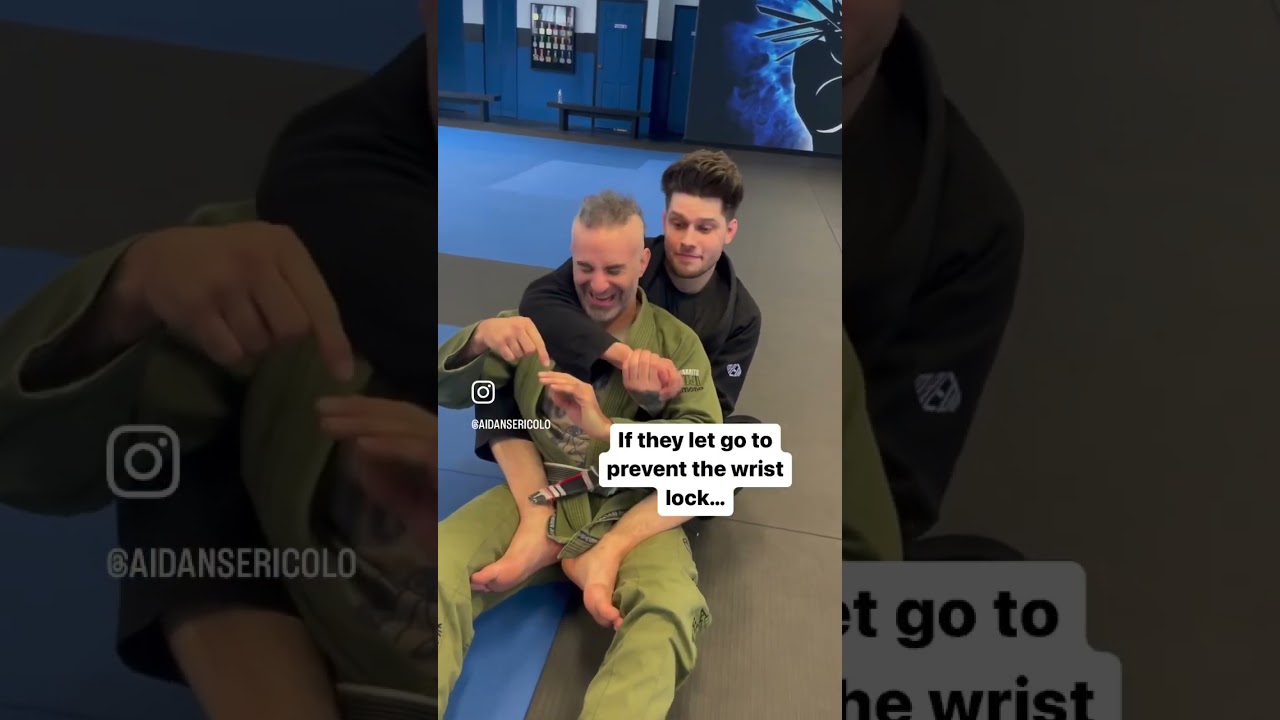
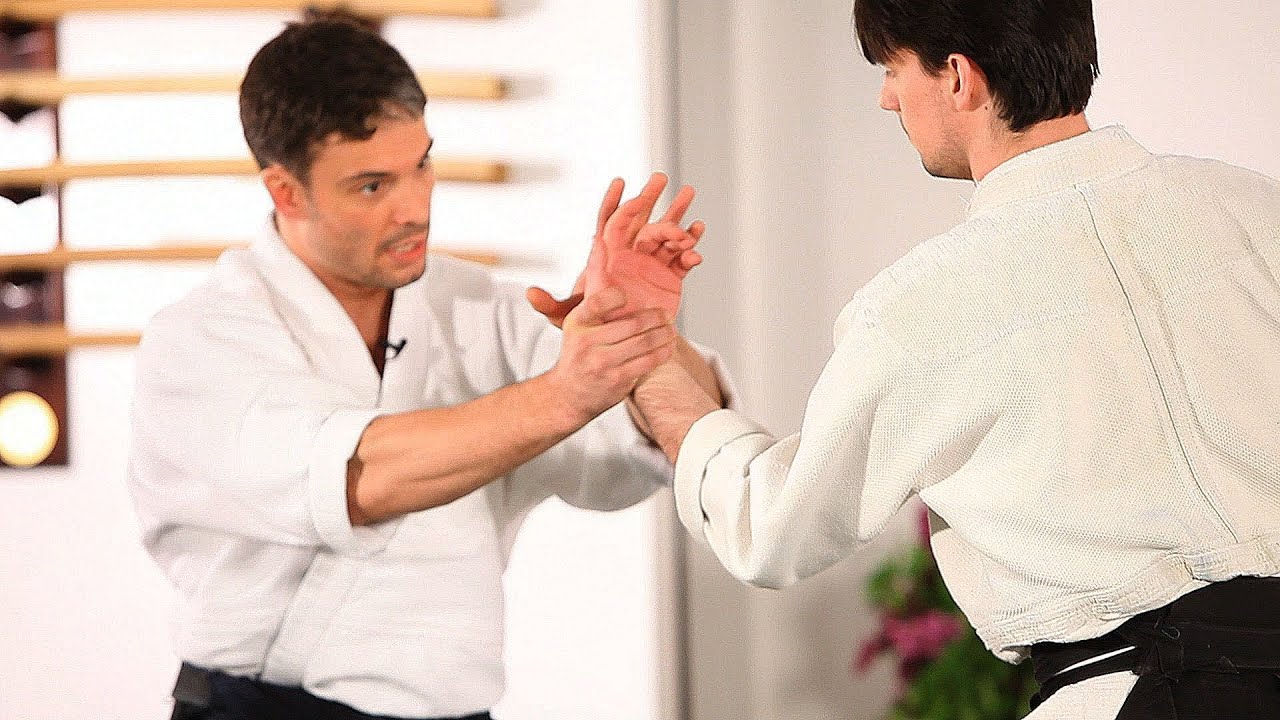
Wrist locks are subtle but highly effective submissions used in both gi and no-gi grappling. They work by applying pressure on the small joints of the wrist to force a tap-out. Important details:
Leg locks target the knee and ankle joints, making them powerful submissions in no-gi grappling and MMA. Popular variations include:
Successfully applying joint locks requires precise positioning and control. Common positions for joint locks include:
A joint lock is a submission technique in Brazilian Jiu-Jitsu that applies force to an opponent’s joint, forcing it beyond its natural range of motion to secure a submission.
Common joint locks in BJJ include the armbar, Kimura, Americana, wrist locks, and leg locks such as the heel hook and knee bar.
Yes, joint locks are highly effective in MMA as they allow a fighter to submit an opponent without relying on strikes, making them useful in both gi and no-gi combat.
Yes, if applied with excessive force or held for too long, joint locks can cause severe injuries such as ligament tears and dislocations.
Defending against joint locks involves maintaining good posture, recognizing setups early, and using proper escapes such as rolling out or breaking grips.

A team of BJJ enthusiasts, curating videos for the benefits of others.