Submission Searcher
Recommended
Want to Go Deeper?
Browse curated BJJ Fanatics instructionals matched to your training goals.

[category_total_hours]
Progress in Joint locks: 0%
Sign up free to track your progress!
Video Techniques
Kimura from North-South Technique Videos
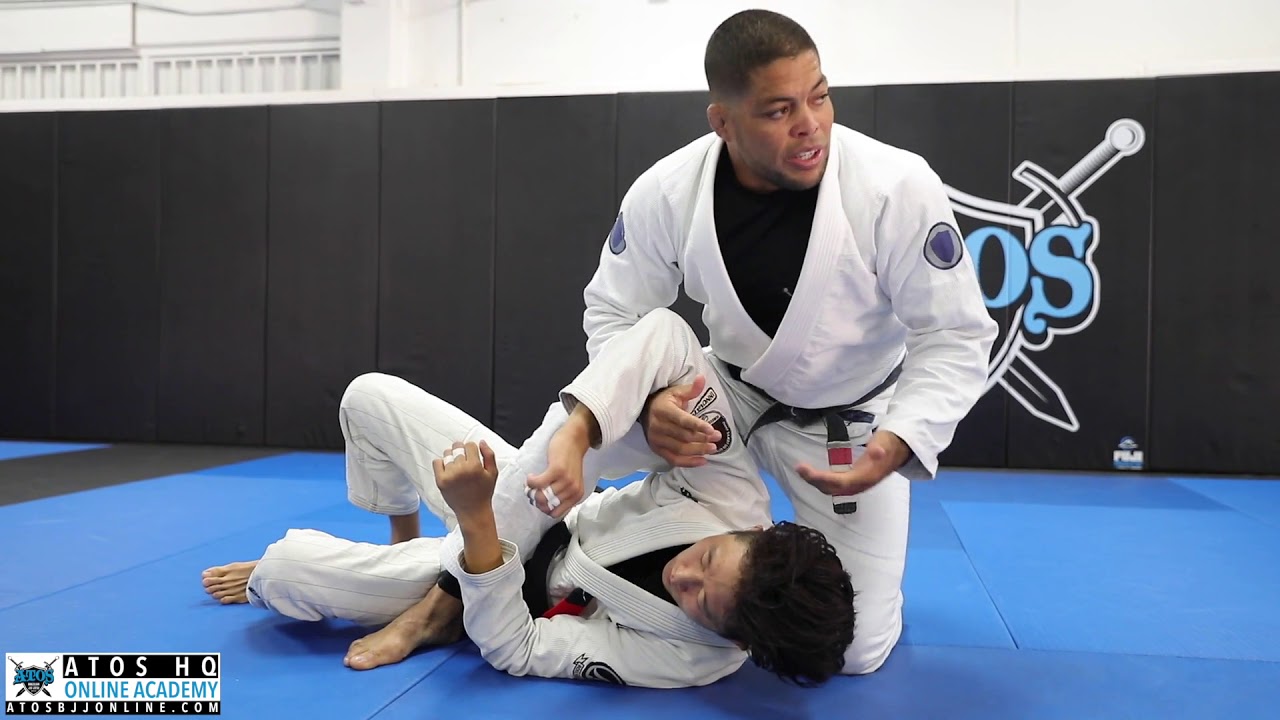
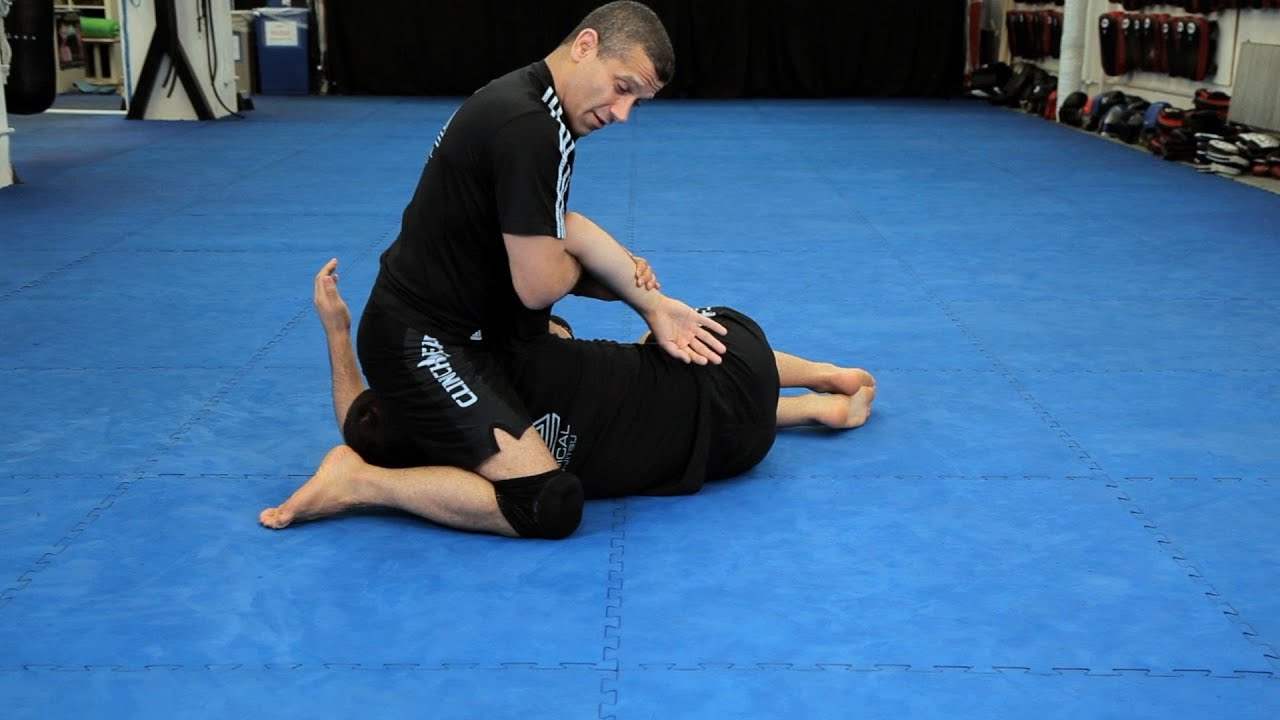
Welcome to our comprehensive collection of Kimura from North-South technique videos. In Brazilian Jiu-Jitsu (BJJ), the Kimura from North-South position is a highly effective submission technique that allows you to control and submit your opponent using a combination of leverage and joint manipulation. This category features a wide range of instructional videos from top BJJ practitioners and instructors who will guide you through the intricacies of this technique, providing detailed explanations and demonstrations to help you master the Kimura from North-South. Whether you are a beginner looking to learn the basics or an advanced practitioner seeking to refine your skills, our video library has something for everyone. With our SEO optimized collection, you can easily find and access the best Kimura from North-South technique videos available online, ensuring that you have the resources you need to improve your BJJ game.
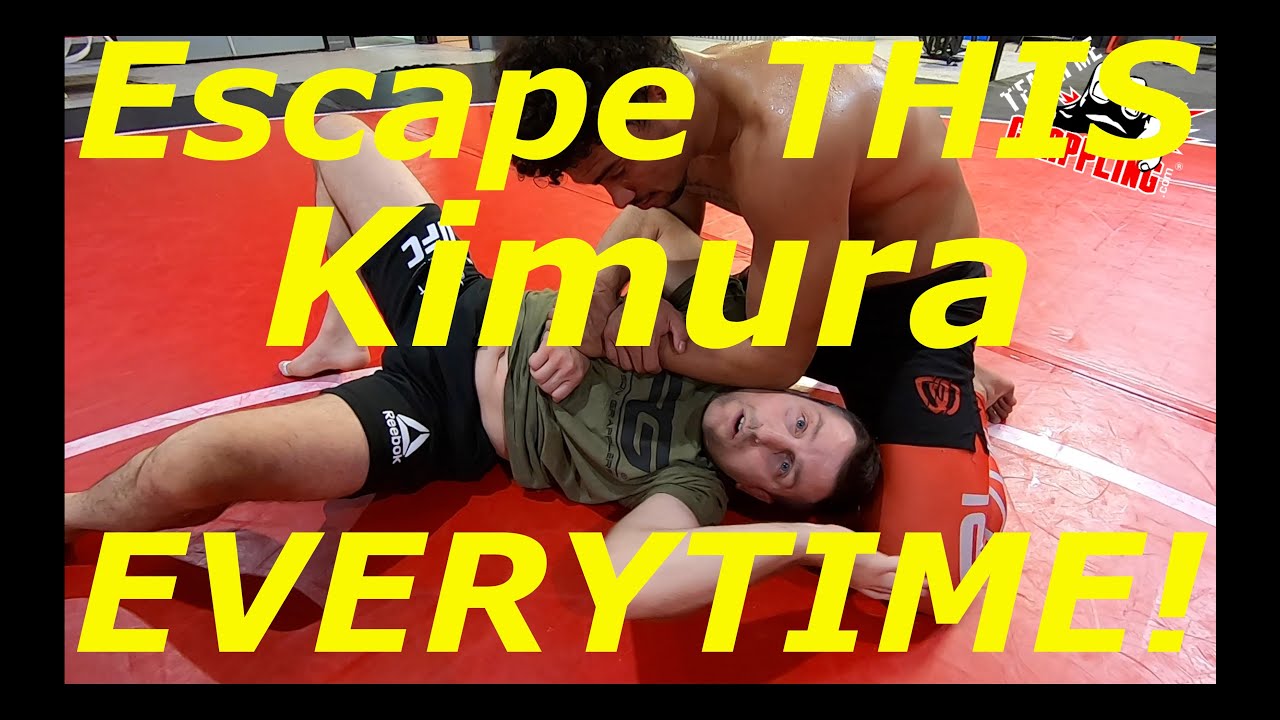
In this BJJ technique category, we will delve into the Kimura from North-South position. The Kimura is a highly effective submission that can be executed from various positions, but when applied from the North-South position, it becomes even more potent. This technique involves isolating your opponent's arm and using leverage to secure a tight grip on their wrist, ultimately leading to a shoulder lock. To provide you with a comprehensive understanding of the Kimura from North-South, we have curated a selection of videos that showcase different variations and setups of this technique.
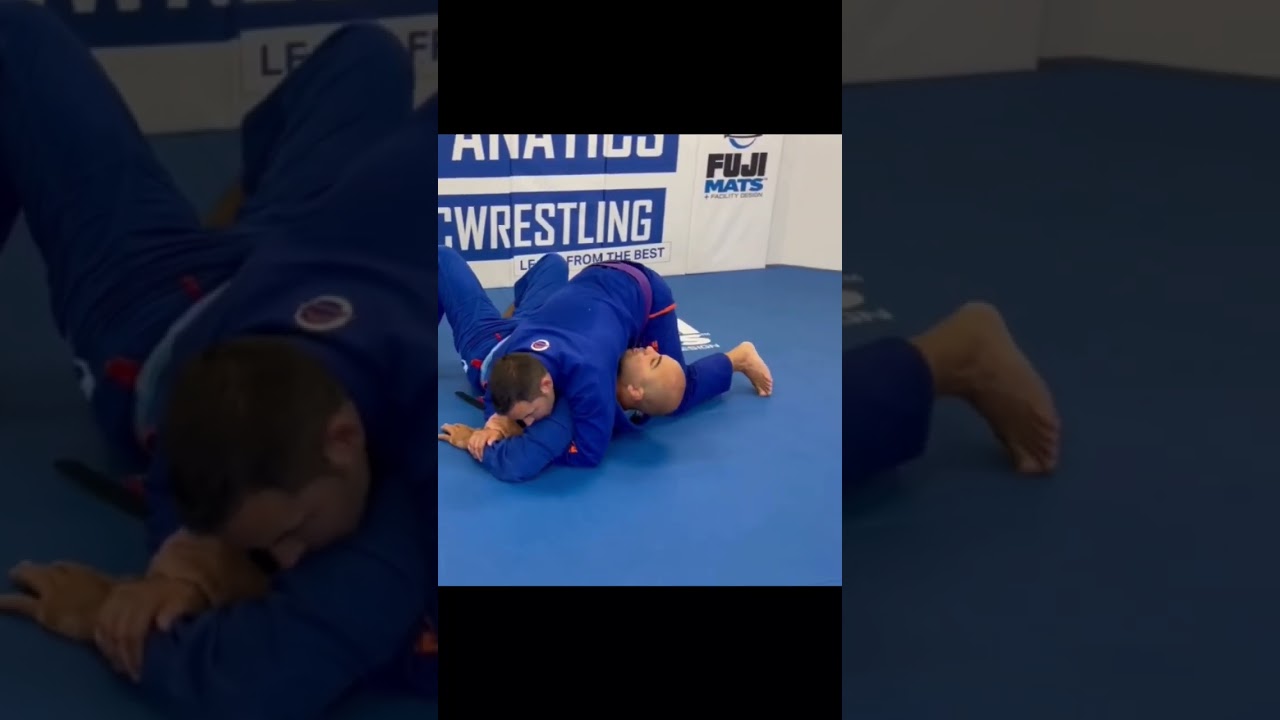
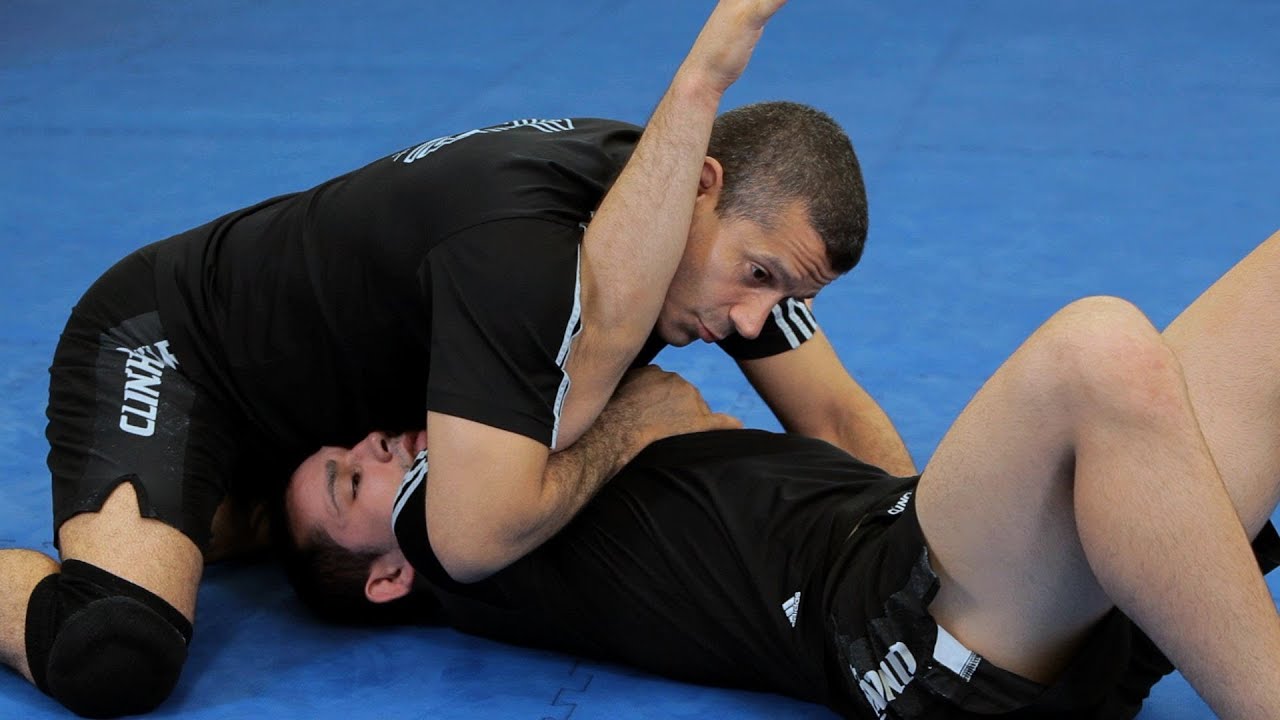
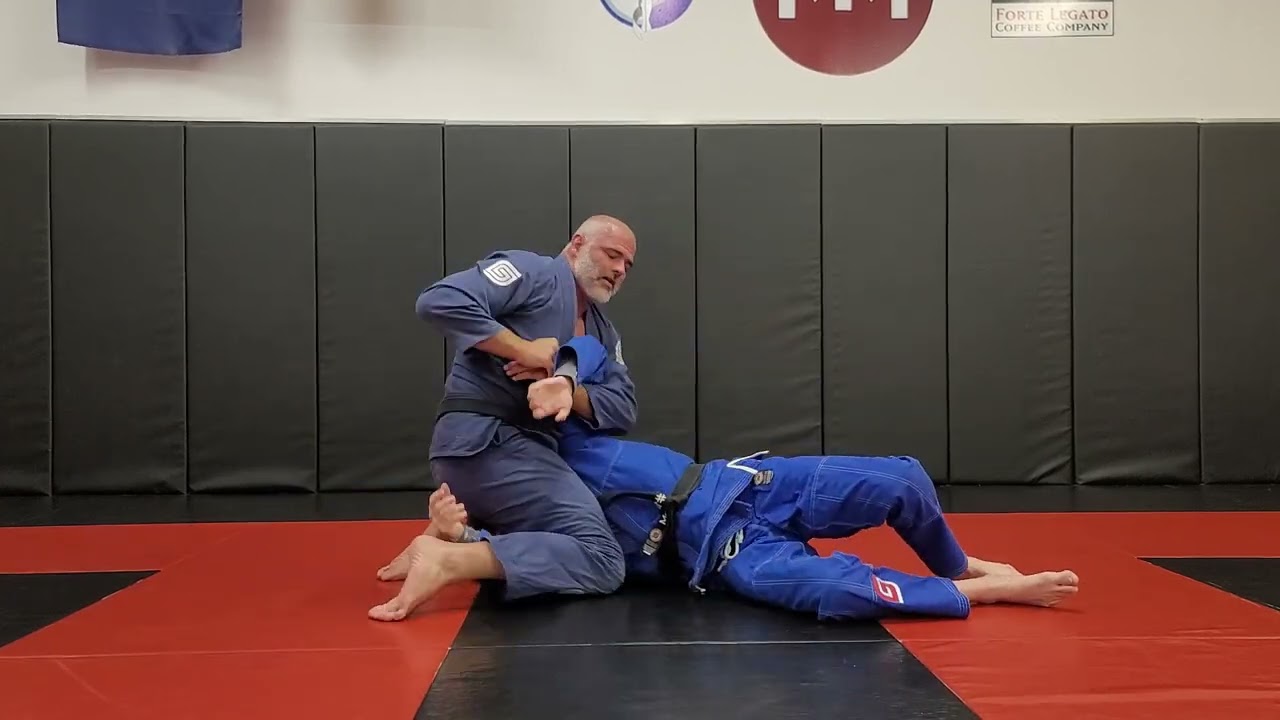
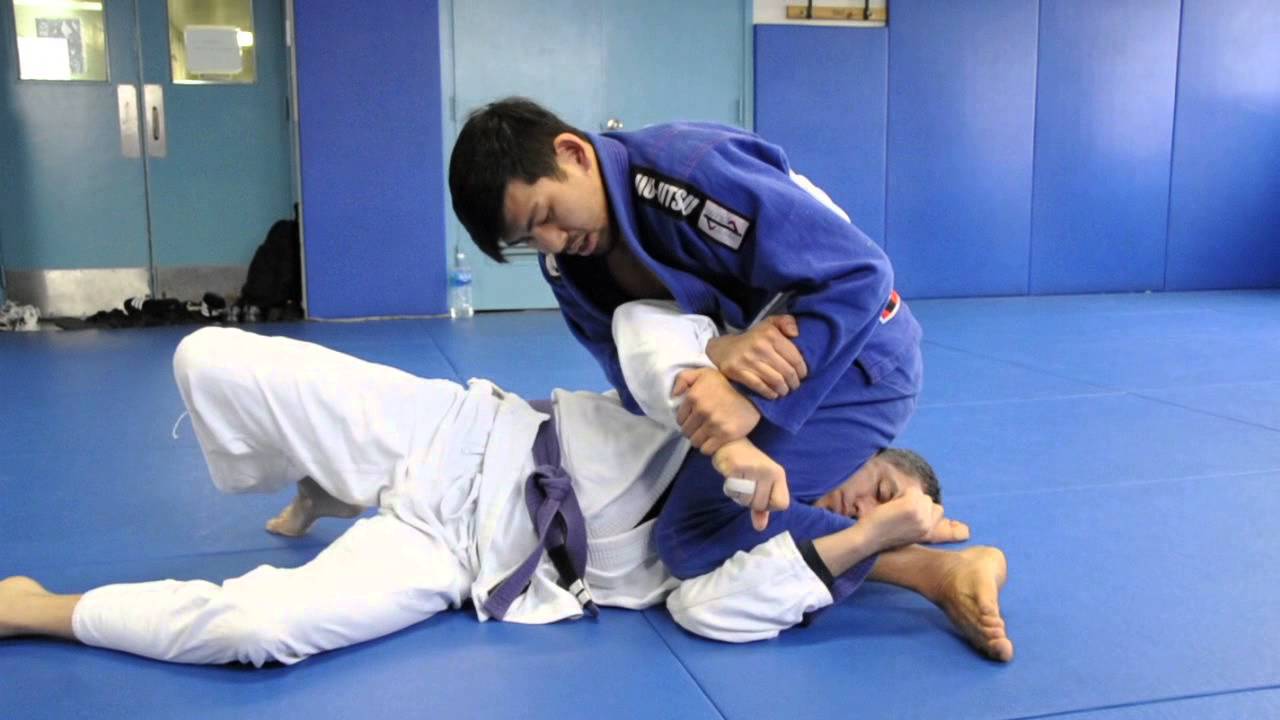
The first video in this category demonstrates the basic steps of the Kimura from North-South. It starts with the practitioner establishing the North-South position by straddling their opponent's torso and controlling their hips. From there, they transition into isolating the arm by securing a gable grip on their opponent's wrist. The video emphasizes the importance of maintaining strong control throughout the process and using the proper leverage to generate maximum pressure on the shoulder joint. It also offers valuable tips on maintaining balance and preventing your opponent from escaping or countering your submission attempts.
Moving on, the second video focuses on a variation of the Kimura from North-South that utilizes a step-over technique. This particular approach adds an extra layer of control and leverage by stepping over your opponent's head while maintaining the North-South position. The video breaks down the footwork and body positioning required for a successful step-over, as well as the finer details of securing the Kimura grip. Additionally, it highlights common mistakes to avoid and provides troubleshooting tips to overcome any potential obstacles during the execution of this technique.
Next, we have a video that explores how the Kimura from North-South can be used as a transitional submission. This means that even if your opponent manages to defend against the initial Kimura attempt, you can seamlessly transition into other advantageous positions or submissions. The video demonstrates various follow-up options, such as transitioning to side control, taking the back, or transitioning into a different submission hold. By studying this video, you will gain a deeper understanding of the versatility and adaptability of the Kimura from North-South.
In conclusion, this BJJ technique category provides a comprehensive collection of videos focusing on the Kimura from North-South. Whether you are a beginner looking to learn the basics or an advanced practitioner seeking to refine your technique, these videos will equip you with the necessary knowledge and skills to effectively apply this submission hold. Remember, mastering the Kimura from North-South requires practice, patience, and attention to detail, so be sure to study these videos closely and incorporate them into your training regimen.

A team of BJJ enthusiasts, curating videos for the benefits of others.