Submission Searcher
Recommended
Want to Go Deeper?
Browse curated BJJ Fanatics instructionals matched to your training goals.

[category_total_hours]
Progress in Joint locks: 0%
Sign up free to track your progress!
Video Techniques
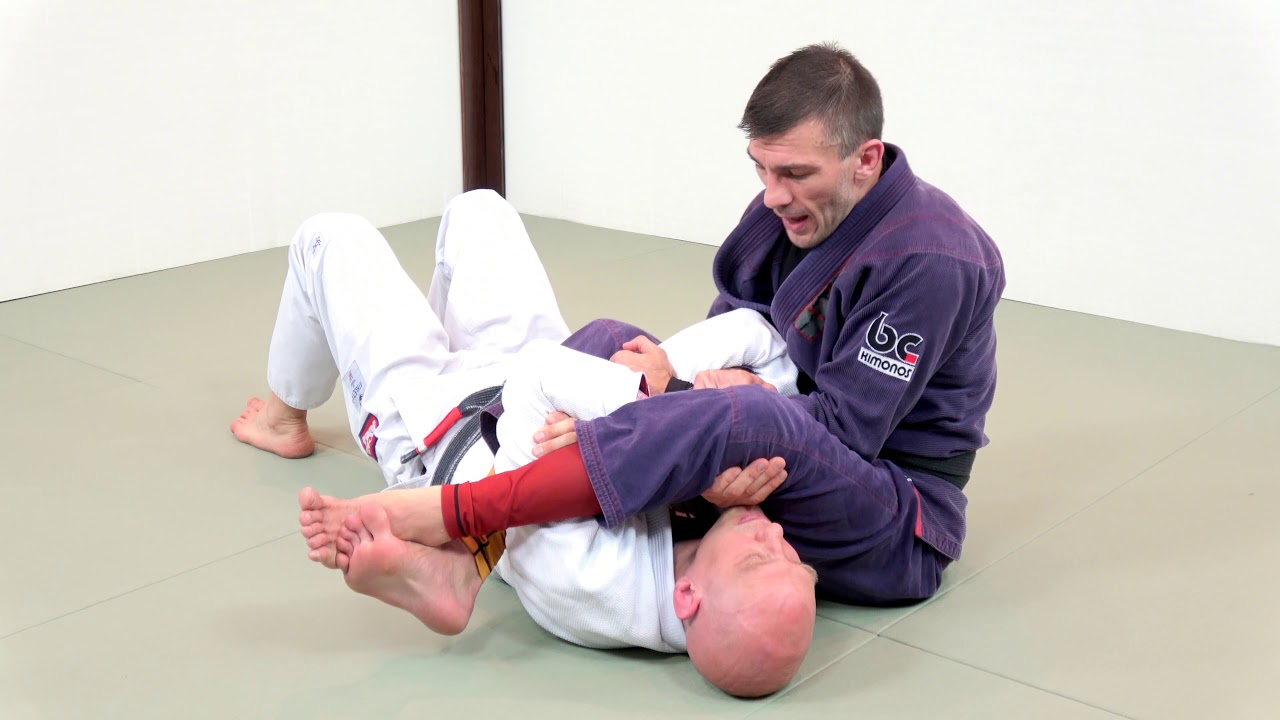
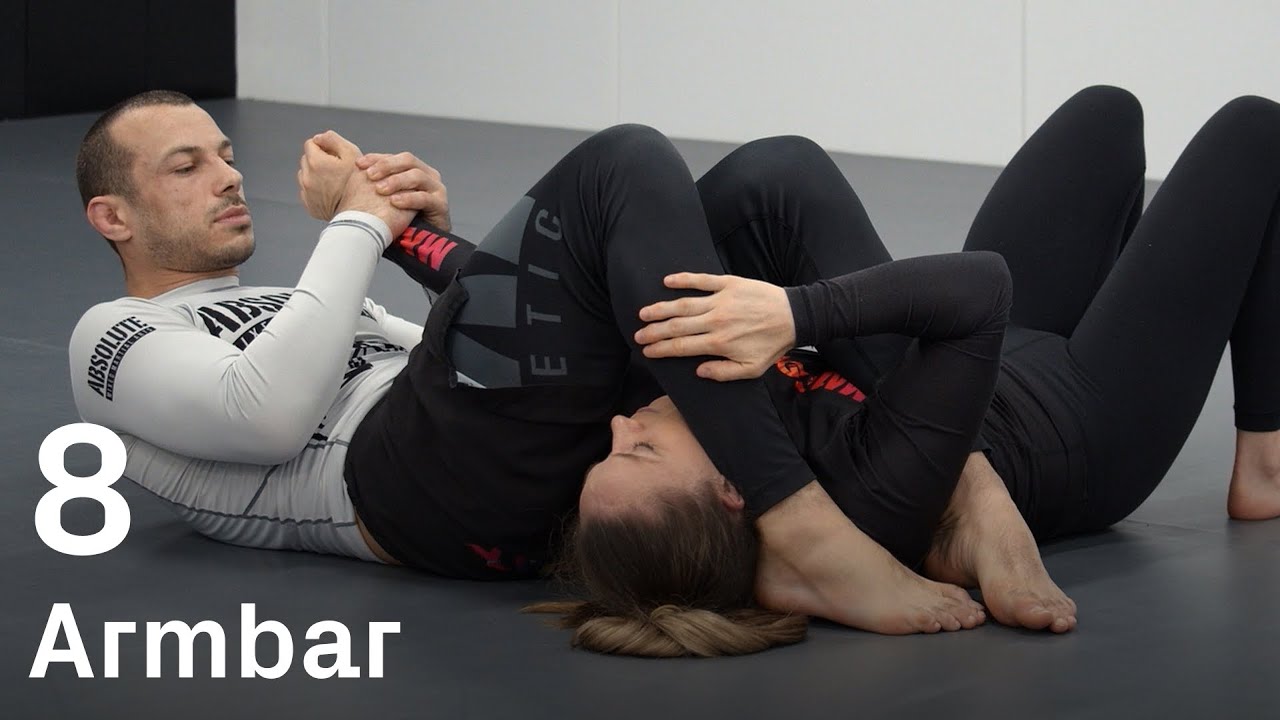
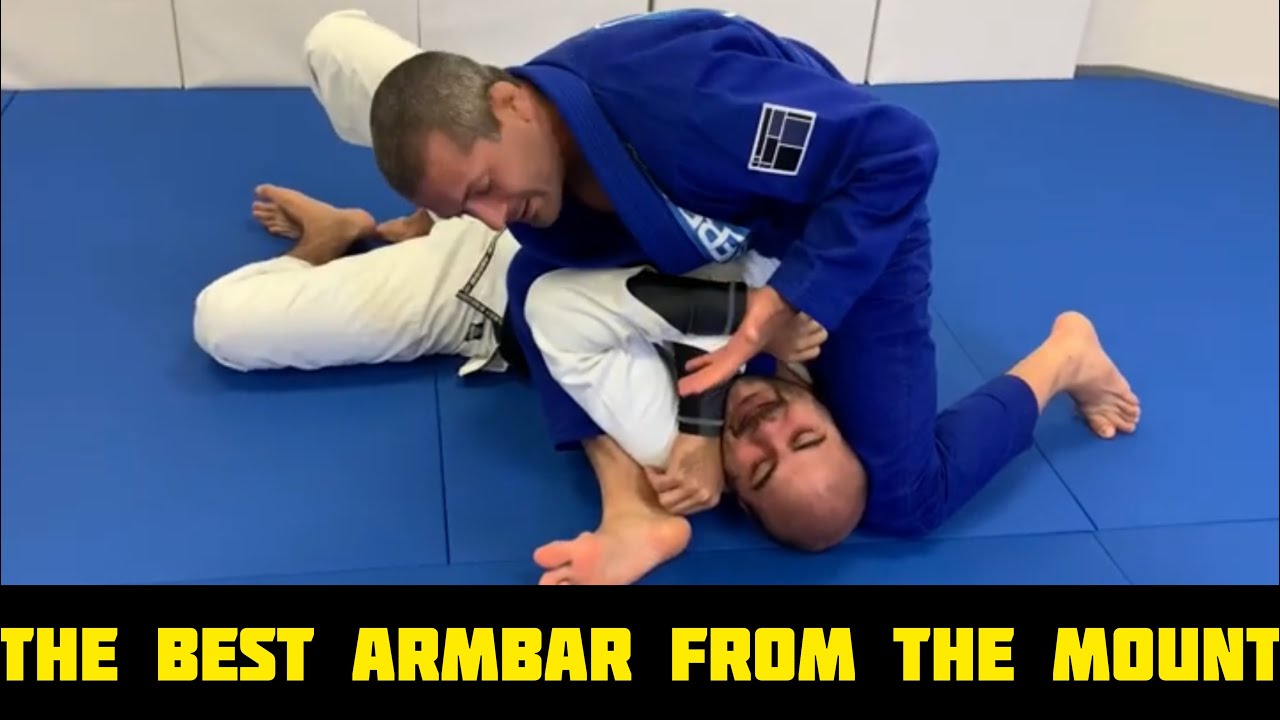
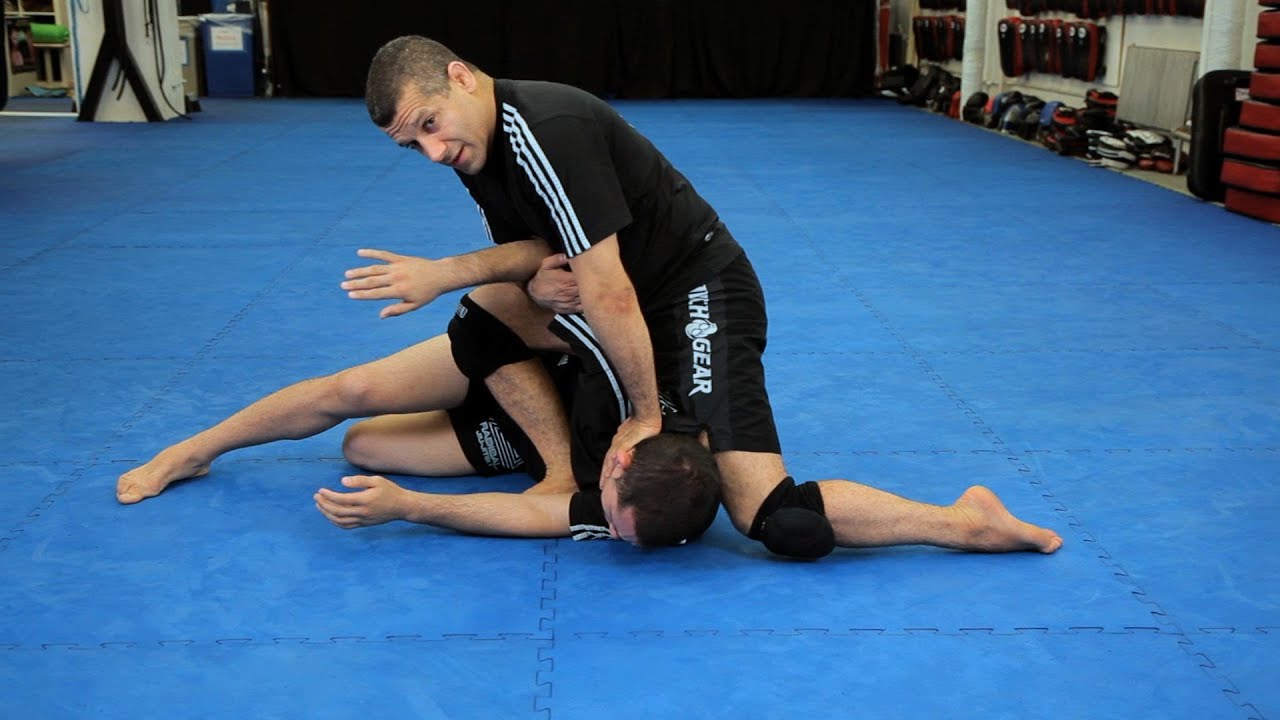
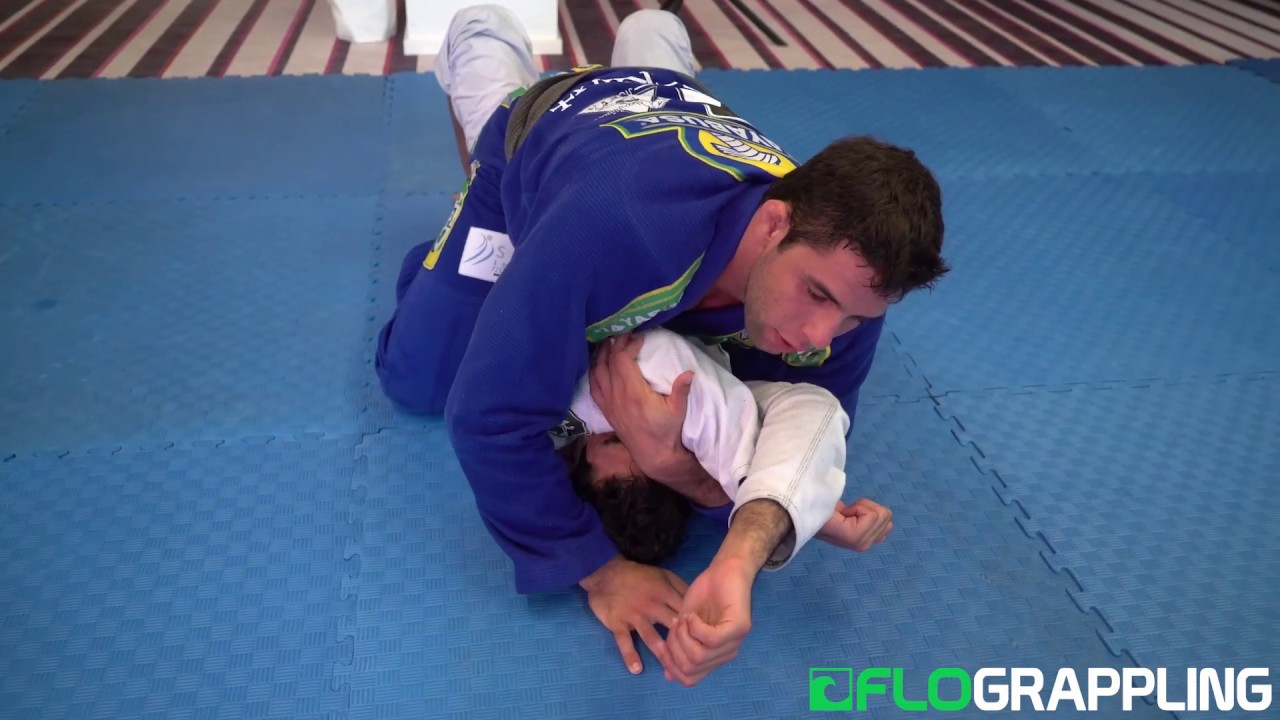
The armbar from mount is a high-percentage submission used in Brazilian Jiu-Jitsu (BJJ) and mixed martial arts (MMA). By isolating the opponent’s arm and controlling their posture, this technique forces a tap-out through hyperextension of the elbow joint. This submission is particularly effective because it combines positional dominance with a direct attack on a vulnerable joint. It is frequently used in both gi and no-gi grappling, making it a staple of high-level competition. In this section, we will explore the best setups, common mistakes to avoid, and key variations of the armbar from mount to help you refine your execution.

The armbar from mount is one of the most dominant submission attacks in BJJ. Unlike armbars from guard, which require control from a neutral or defensive position, executing an armbar from mount means you are already in a dominant position, limiting the opponent’s escape options.
Key benefits include:
The traditional setup involves methodically breaking down the opponent’s defenses before transitioning into the armbar.
Also known as the CPR armbar, this variation involves driving your knee into the opponent’s neck while controlling their arm before rotating into the submission.
In the S-mount variation, you shift your weight forward, trapping the opponent’s arm at a tighter angle before applying the submission.
This dynamic variation allows you to spin into the armbar when your opponent starts escaping the traditional setup.
The armbar from mount is a submission technique in Brazilian Jiu-Jitsu where the practitioner isolates the opponent’s arm and applies pressure to hyperextend the elbow joint.
The CPR armbar is a variation of the armbar from mount where the practitioner uses their knee to pressure the opponent’s neck before transitioning into the submission.
Common defences include clasping hands to prevent arm extension, bridging to create space, and rolling towards the opponent to escape.
Yes, it is highly effective in MMA, as it allows a fighter to secure a dominant position before applying the submission.
The best setup involves controlling the opponent’s arm, breaking their defensive grips, and smoothly transitioning to the armbar while maintaining positional control.

A team of BJJ enthusiasts, curating videos for the benefits of others.